What is Bell’s Palsy?
Bell’s palsy is a sudden weakness or paralysis of the muscles on one side of the face. Usually, this happens when a nerve that controls facial movement becomes inflamed. As a result, people may notice their face drooping or having trouble smiling. Although it can be scary, most people recover fully. Early treatment, including physio for Bell’s palsy, can help speed up recovery.
Symptoms and Causes
Bell’s palsy often appears quickly. For example, you may wake up and find one side of your face feels weak. Common symptoms include:Sudden drooping on one side of the faceDifficulty closing one eyeLoss of facial expressionDrooling or trouble eatingLoss of taste on the front of the tongueIncreased sensitivity to sound in one ear
Doctors believe a viral infection, such as herpes simplex, often causes Bell’s palsy. However, stress, diabetes, or a weak immune system can also play a role. Although the exact cause is not always clear, early care is important.
Importance of Physiotherapy in Bell’s Palsy
Physiotherapy for Bell’s palsy is vital for recovery. With the right exercises, you can regain muscle strength and improve facial movement. In addition, physio for Bell’s palsy helps prevent long-term stiffness or tightness. According to the World Health Organization, early rehabilitation for facial paralysis can lead to better outcomes. Therefore, starting physio soon after diagnosis is helpful.
Common Physiotherapy Techniques
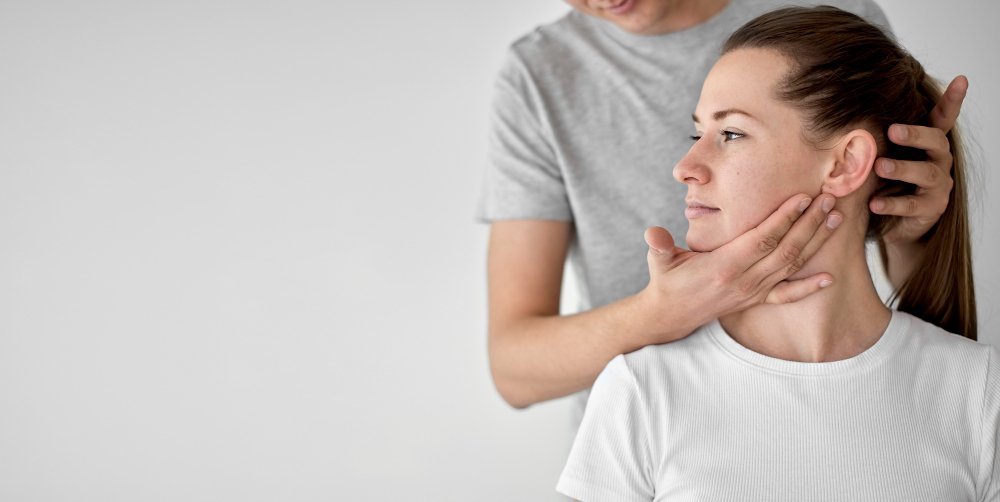
Physiotherapists use several techniques to help people with Bell’s palsy. Some of the most effective methods include:Facial exercises: Gentle movements to help retrain facial musclesMassage: Light rubbing to reduce stiffness and improve blood flowElectrical stimulation: Low-level currents to activate weak muscles (used in some cases)Mirror therapy: Watching your face in a mirror while doing exercises to improve controlStretching: Gentle stretches to prevent tightness
Because each person is different, a physiotherapist will create a plan just for you. For example, some people may need more massage, while others benefit from more facial exercises for Bell’s palsy.
Home Exercises and Self-Care Tips
Along with clinic visits, home care is important. Here are some simple exercises and tips you can try at home:Practice smiling, frowning, and raising your eyebrows in front of a mirrorGently close your eyes and hold for a few seconds, then relaxPuff out your cheeks and hold the air, then slowly releaseMassage your cheeks and forehead with gentle, upward strokesProtect your eye with drops or a patch if you cannot close it fully
However, always follow your physiotherapist’s advice. If you feel pain or discomfort, stop and ask for help. In addition, rest and a healthy diet can support your recovery.
Recovery Timeline and Expectations
Most people start to see improvement within two to three weeks. For many, full recovery happens in three to six months. However, some may need more time. Early physio for Bell’s palsy can speed up healing. Even so, recovery rates can vary. If you notice slow progress, do not lose hope. Regular rehabilitation for facial paralysis helps most people regain normal movement.
Prevention and Lifestyle Guidance
While you cannot always prevent Bell’s palsy, healthy habits may lower your risk. For example, you can:Manage stress with relaxation techniquesEat a balanced diet rich in fruits and vegetablesGet enough sleep each nightWash your hands often to avoid viral infectionsControl chronic conditions like diabetes
Additionally, staying active and avoiding smoking can support nerve health. Although these steps do not guarantee prevention, they help keep your body strong.
When to Consult a Specialist
If you notice sudden facial weakness, see a doctor right away. Early treatment is key. Also, consult a physiotherapist if:Your symptoms do not improve after a few weeksYou have trouble eating, drinking, or speakingYou experience pain or eye problemsYou want a personalized rehabilitation plan
In some cases, you may need to see a neurologist or an eye doctor. Therefore, do not wait if you have concerns about your recovery.
In summary, physio for Bell’s palsy is a safe and effective way to regain facial movement. For the best results, start rehabilitation early and follow your therapist’s advice. Consult a physiotherapist at Rohinis physiotherapy for personalized guidance on Bell’s palsy recovery.