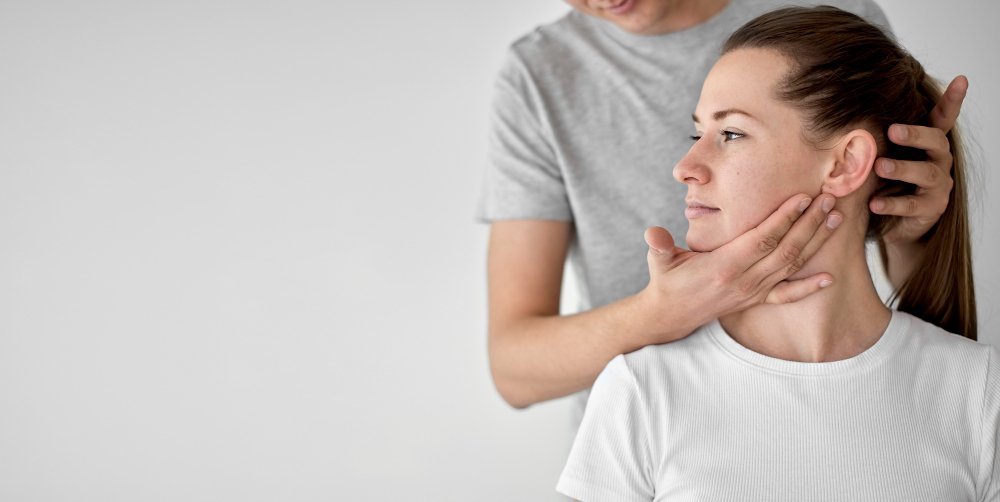

How Physiotherapy Manages Pain & Restores Mobility Without Surgery

Physiotherapy manages pain & restores mobility without surgery for many people. This safe approach uses movement, hands-on care, and education. As a result, you can often avoid surgery and improve your quality of life. In this blog, you will learn how physiotherapy helps with pain management and mobility restoration. We will also discuss common techniques, benefits, and tips for staying active.

What is Physiotherapy?

Physiotherapy is a healthcare field that helps people move better and feel less pain. It focuses on restoring movement and function after injury, illness, or disability. Importantly, physiotherapists use exercise, manual therapy, and advice to help you recover. They also teach you how to prevent future problems. The main goal is to help you live an active, pain-free life.

How Physiotherapy Manages Pain

Many people visit physiotherapists for pain relief. For example, you might have back pain, neck pain, or joint pain. Physiotherapists assess your condition and create a plan just for you. They use gentle movements, stretches, and other methods to reduce pain. Over time, these techniques help your body heal naturally. In addition, they teach you how to manage pain at home.Back and neck painSports injuriesArthritis painShoulder, knee, or hip painPost-surgery pain

According to the World Health Organization (WHO), physiotherapy is effective for many pain conditions. It can reduce the need for pain medicines and surgery.

Restoring Mobility Without Surgery

Often, injuries or health problems make it hard to move. However, physiotherapy can help you regain movement and strength. For example, after a sprained ankle, a physiotherapist guides you through safe exercises. These exercises help you walk and run again. Similarly, after a stroke, physiotherapy can improve balance and coordination. As you progress, you may notice daily tasks become easier. Most importantly, you can avoid surgery in many cases.

Common Physiotherapy Techniques

Physiotherapists use many proven methods to help you feel better. Some of the most common techniques include:Manual therapy: Hands-on movements to ease pain and improve motion.Exercise therapy: Special stretches and strengthening exercises for your needs.Electrotherapy: Use of gentle electrical currents to reduce pain and swelling.Heat and cold therapy: Applying warmth or ice to relax muscles and decrease pain.Education: Teaching you about posture, movement, and self-care.

Each plan is unique and based on your goals and condition.

Benefits of Non-Surgical Physiotherapy

Choosing physiotherapy over surgery offers many advantages. For instance, it is less risky and usually costs less. You also avoid long recovery times. In addition, physiotherapy helps you stay active and independent. Here are some key benefits:No surgery or anesthesia neededLower risk of side effectsPersonalized care plansFaster return to daily activitiesFocus on long-term health

When to See a Physiotherapist

Sometimes, it is hard to know when you need help. However, you should consider seeing a physiotherapist if you:Have pain that lasts more than a few daysNotice swelling or stiffnessFind it hard to move a joint or muscleRecover from surgery or injuryWant to prevent future problems

Early treatment often leads to better results. Therefore, do not wait too long to seek help.

Prevention and Lifestyle Tips

Staying active and making healthy choices can lower your risk of pain and injury. Here are some simple tips:Exercise regularly, even gentle walking helpsStretch before and after activitiesMaintain good posture at work and homeLift objects with your legs, not your backTake breaks from sitting or standing too longFollow your physiotherapist’s advice

With these habits, you can protect your mobility and reduce pain risk.

Conclusion

Physiotherapy offers a safe, non-surgical approach to relieving pain, restoring mobility, and improving overall function. With personalized treatment and guided rehabilitation, you can recover faster, move with confidence, and return to your daily activities.

Take the first step towards a pain-free, active life. Visit Rohini’s Physiotherapy for expert physiotherapy care and personalized rehabilitation tailored to your needs.

Tech Neck — The New Age Epidemic Destroying Your Cervical Spine

Introduction

Tech Neck is a modern health problem caused by looking down at phones, tablets, or computers for long periods. This condition puts extra stress on the cervical spine, which is the part of your neck that supports your head. As more people use digital devices every day, Tech Neck is becoming a growing concern. Not only can it cause pain, but it may also lead to long-term damage if left untreated. Therefore, understanding Tech Neck is important for everyone in today’s digital world.

What is Tech Neck?

Tech Neck refers to pain and stiffness in the neck caused by poor posture while using electronic devices. When you bend your head forward to look at a screen, the weight on your cervical spine increases. Over time, this can strain the muscles, ligaments, and discs in your neck. As a result, you may feel discomfort or even develop lasting neck problems. Many people do not realize how much device use can affect their neck health.

Symptoms of Tech Neck

It is important to recognize the signs of Tech Neck early. Common symptoms include:Neck pain or stiffness, especially after device useShoulder pain or tightnessHeadaches, often starting at the base of the skullUpper back painReduced movement in the neckTingling or numbness in arms or hands

However, symptoms can vary from person to person. If you notice any of these signs, it may be time to change your habits.

Causes and Risk Factors

Many lifestyle habits can lead to Tech Neck. For example, spending hours on smartphones, tablets, or laptops increases your risk. Poor posture, such as slouching or bending your head forward, adds extra pressure to your cervical spine. In addition, working at a desk without proper support can make things worse. Children and teens are also at risk because they often use devices for school and fun. Even adults who work from home may develop Tech Neck if they do not pay attention to their posture.

Diagnosis

Doctors and physiotherapists diagnose Tech Neck by asking about your symptoms and daily habits. They may check your neck’s range of motion and look for areas of tenderness. Sometimes, they use X-rays or other scans to rule out other problems. However, most cases are diagnosed based on your history and a simple physical exam. Early diagnosis can help prevent long-term damage.

Treatment Options

There are several ways to treat Tech Neck. Often, physiotherapy is the first step. A physiotherapist can teach you exercises to stretch and strengthen your neck muscles. In addition, they may use heat, massage, or gentle movements to ease pain. Over-the-counter pain relievers can help with mild symptoms. However, severe cases may need more advanced treatments. Some common treatments include:Stretching and strengthening exercisesPosture trainingManual therapy or massageHeat or cold packsShort-term use of pain medication

For ongoing pain, your doctor may suggest seeing a specialist. According to the CDC, early treatment can prevent chronic neck problems.

Prevention and Lifestyle Tips

Preventing Tech Neck is possible with simple daily habits. For instance, you can:Hold your device at eye level to avoid bending your neckTake breaks every 30 minutes to stretchUse a chair with good back supportKeep your feet flat on the floor while sittingSet up your computer screen at eye heightPractice gentle neck stretches each dayLimit screen time when possible

Moreover, teaching children about good posture can help prevent Tech Neck from an early age. Small changes can make a big difference in your neck health.

When to See a Specialist

Sometimes, Tech Neck symptoms do not improve with home care. If you have severe pain, numbness, or weakness in your arms or hands, see a doctor right away. In addition, if your symptoms last more than a few weeks, it is best to consult a physiotherapist or spine specialist. Early help can prevent serious problems and speed up recovery.

If you are experiencing symptoms of Tech Neck, consult a physiotherapist at Rohinis physiotherapy for personalized advice.

Flat Feet & Knee Pain — The Hidden Connection Nobody Talks About

Introduction

Many people do not realize that flat feet and knee pain are often connected. If you have flat feet, you may notice aches in your knees. This link is more common than most think. However, it often goes unnoticed. Understanding the flat feet and knee pain connection can help you find relief. In this blog, we will explore how flat feet affect knees and what you can do about it.

What Are Flat Feet?

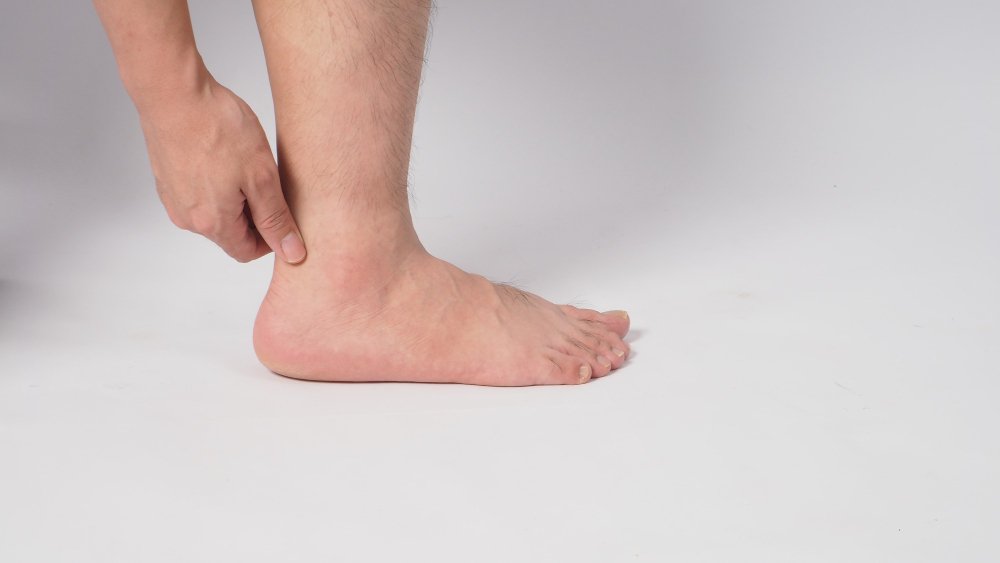
Flat feet, also called fallen arches, happen when the arches of your feet are low or missing. Normally, the arch supports your body and absorbs shock. But with flat feet, the whole foot touches the ground. As a result, your body weight spreads differently. This can change how you walk and stand.

Common Symptoms of Flat Feet

Flat feet can cause many signs. Sometimes, you may not notice any problems. But often, people with flat feet experience:Pain in the feet, especially in the arch or heelSwelling along the inside of the ankleTired or achy feet after standing or walkingDifficulty standing on tiptoesShoes wearing out unevenly

In some cases, these symptoms can lead to pain in other parts of the body, such as the knees.

How Flat Feet Can Cause Knee Pain

Flat feet change the way your legs move. Because the arch is missing, your feet roll inward when you walk. This is called overpronation. Over time, this puts extra stress on your knees. As a result, the knees may twist or move in ways they should not. This can lead to pain, swelling, or even injury. According to the American Academy of Orthopaedic Surgeons, poor foot alignment is a common cause of knee pain.

Signs Your Knee Pain May Be Linked to Flat Feet

Sometimes, knee pain is not just from an injury or arthritis. Instead, it may be caused by flat feet. Look for these signs:Knee pain that gets worse after walking or standingPain on the inside of the kneeBoth feet appear flat when standingRelief when you wear supportive shoes or orthoticsHistory of foot pain or flat feet diagnosis

If you notice these signs, your knee pain may be linked to your foot shape.

Diagnosis: How Professionals Identify the Connection

Doctors and physiotherapists use several steps to find the link between flat feet and knee pain. First, they will ask about your symptoms and medical history. Next, they will check your feet, knees, and how you walk. Sometimes, they may use X-rays or scans to look at your bones and joints. In many cases, a simple exam is enough. Early diagnosis helps you get the right treatment.

Treatment Options

There are many ways to manage flat feet and knee pain. Treatment depends on your symptoms and needs. Common options include:Physiotherapy for flat feet: Exercises can strengthen foot and leg muscles. This helps improve your walking and reduces pain.Orthotics for knee pain: Special shoe inserts support your arches. They help align your feet and knees.Stretching and strengthening exercises: Simple moves can ease pain and improve balance.Supportive footwear: Shoes with good arch support can make a big difference.Pain relief: Over-the-counter medicines may help with swelling or discomfort.

In rare cases, surgery may be needed. However, most people feel better with non-surgical care.

Prevention and Lifestyle Tips

While you cannot always prevent flat feet, you can lower your risk of knee pain. Try these tips:Wear shoes with strong arch supportUse orthotics if your doctor suggests themKeep a healthy weight to reduce stress on your jointsDo regular foot and leg exercisesTake breaks if you stand or walk for long periods

With these steps, you can protect your knees and feet.

When to See a Specialist

If you have ongoing knee pain or foot discomfort, it is important to seek help. You should see a specialist if:Pain lasts more than a few weeksYou have trouble walking or standingHome treatments do not helpYour pain gets worse over time

Early care can prevent bigger problems later. Many physiotherapy clinics near you can help with flat feet and knee pain.

Conclusion

Flat feet and knee pain are closely linked, but many people do not know about this connection. With the right care, you can manage both conditions and feel better. Consult a physiotherapist at Rohinis physiotherapy for personalized advice on managing flat feet and knee pain.

Physio for Bell’s Palsy: Effective Rehabilitation Techniques and Recovery Tips

What is Bell’s Palsy?

Bell’s palsy is a sudden weakness or paralysis of the muscles on one side of the face. Usually, this happens when a nerve that controls facial movement becomes inflamed. As a result, people may notice their face drooping or having trouble smiling. Although it can be scary, most people recover fully. Early treatment, including physio for Bell’s palsy, can help speed up recovery.

Symptoms and Causes

Bell’s palsy often appears quickly. For example, you may wake up and find one side of your face feels weak. Common symptoms include:Sudden drooping on one side of the faceDifficulty closing one eyeLoss of facial expressionDrooling or trouble eatingLoss of taste on the front of the tongueIncreased sensitivity to sound in one ear

Doctors believe a viral infection, such as herpes simplex, often causes Bell’s palsy. However, stress, diabetes, or a weak immune system can also play a role. Although the exact cause is not always clear, early care is important.

Importance of Physiotherapy in Bell’s Palsy

Physiotherapy for Bell’s palsy is vital for recovery. With the right exercises, you can regain muscle strength and improve facial movement. In addition, physio for Bell’s palsy helps prevent long-term stiffness or tightness. According to the World Health Organization, early rehabilitation for facial paralysis can lead to better outcomes. Therefore, starting physio soon after diagnosis is helpful.

Common Physiotherapy Techniques

Physiotherapists use several techniques to help people with Bell’s palsy. Some of the most effective methods include:Facial exercises: Gentle movements to help retrain facial musclesMassage: Light rubbing to reduce stiffness and improve blood flowElectrical stimulation: Low-level currents to activate weak muscles (used in some cases)Mirror therapy: Watching your face in a mirror while doing exercises to improve controlStretching: Gentle stretches to prevent tightness

Because each person is different, a physiotherapist will create a plan just for you. For example, some people may need more massage, while others benefit from more facial exercises for Bell’s palsy.

Home Exercises and Self-Care Tips

Along with clinic visits, home care is important. Here are some simple exercises and tips you can try at home:Practice smiling, frowning, and raising your eyebrows in front of a mirrorGently close your eyes and hold for a few seconds, then relaxPuff out your cheeks and hold the air, then slowly releaseMassage your cheeks and forehead with gentle, upward strokesProtect your eye with drops or a patch if you cannot close it fully

However, always follow your physiotherapist’s advice. If you feel pain or discomfort, stop and ask for help. In addition, rest and a healthy diet can support your recovery.

Recovery Timeline and Expectations

Most people start to see improvement within two to three weeks. For many, full recovery happens in three to six months. However, some may need more time. Early physio for Bell’s palsy can speed up healing. Even so, recovery rates can vary. If you notice slow progress, do not lose hope. Regular rehabilitation for facial paralysis helps most people regain normal movement.

Prevention and Lifestyle Guidance

While you cannot always prevent Bell’s palsy, healthy habits may lower your risk. For example, you can:Manage stress with relaxation techniquesEat a balanced diet rich in fruits and vegetablesGet enough sleep each nightWash your hands often to avoid viral infectionsControl chronic conditions like diabetes

Additionally, staying active and avoiding smoking can support nerve health. Although these steps do not guarantee prevention, they help keep your body strong.

When to Consult a Specialist

If you notice sudden facial weakness, see a doctor right away. Early treatment is key. Also, consult a physiotherapist if:Your symptoms do not improve after a few weeksYou have trouble eating, drinking, or speakingYou experience pain or eye problemsYou want a personalized rehabilitation plan

In some cases, you may need to see a neurologist or an eye doctor. Therefore, do not wait if you have concerns about your recovery.

In summary, physio for Bell’s palsy is a safe and effective way to regain facial movement. For the best results, start rehabilitation early and follow your therapist’s advice. Consult a physiotherapist at Rohinis physiotherapy for personalized guidance on Bell’s palsy recovery.