
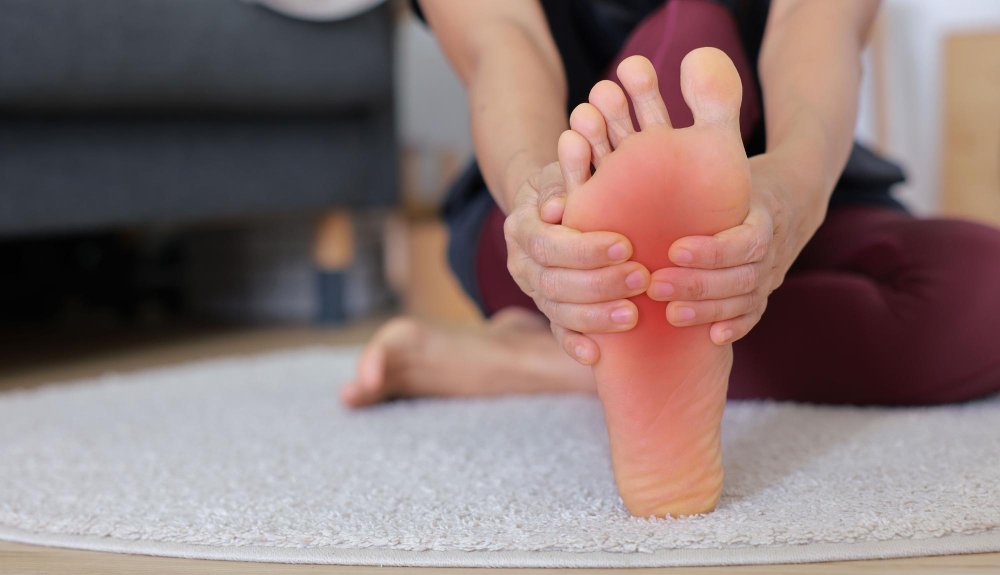
What Is Plantar Fasciitis?
Plantar fasciitis is a common cause of heel pain. It happens when the thick band of tissue on the bottom of your foot, called the plantar fascia, becomes inflamed. This tissue connects your heel bone to your toes. As a result, you may feel sharp pain, especially when you first stand up in the morning. Many people want to know how to alleviate foot pain from plantar fasciitis. Understanding this condition is the first step toward relief.
Common Symptoms of Plantar Fasciitis
Plantar fasciitis can cause pain in your heel or the bottom of your foot. Often, the pain is worse after rest, such as when you wake up. However, it may also flare up after long periods of standing or walking. You might notice these symptoms:Sharp or stabbing pain in the heelPain that gets better after a few minutes of walkingTenderness along the bottom of the footSwelling or mild redness near the heel
Sometimes, the pain can make daily activities harder. For example, walking or climbing stairs may become uncomfortable.
Causes and Risk Factors
Several things can lead to plantar fasciitis. For instance, repeated stress on your feet can cause tiny tears in the plantar fascia. Over time, these tears lead to pain and swelling. Common risk factors include:Standing or walking for long hoursWearing shoes with poor supportHaving flat feet or high archesBeing overweightSudden increase in physical activityAge, especially between 40 and 60 years
Because these factors can add stress to your feet, it is important to address them early.
Diagnosis of Plantar Fasciitis
If you have ongoing heel pain, a healthcare provider can help. Usually, doctors diagnose plantar fasciitis by asking about your symptoms and checking your foot. Sometimes, they may press on your heel to see where it hurts. In some cases, they might order an X-ray or ultrasound to rule out other problems. However, most people do not need special tests.
Effective Ways to Alleviate Foot Pain
There are many ways to find plantar fasciitis pain relief. Early treatment can help you feel better faster. Here are some effective options:Rest your feet as much as possibleApply ice to the sore area for 15-20 minutesWear shoes with good arch support and cushioningUse over-the-counter pain relievers, such as acetaminophen or ibuprofenTry stretches for plantar fasciitis to loosen the foot musclesConsider physiotherapy for foot pain if symptoms last
Because each person is different, you may need to try several methods to see what works best for you.
Home Remedies and Self-Care Tips
Many people find relief with simple home remedies. For example, you can try these tips to reduce heel pain:Roll a tennis ball under your foot for a gentle massageStretch your calves and feet before getting out of bedWear supportive slippers at homeUse a night splint to keep your foot stretched while you sleepAvoid walking barefoot on hard surfaces
Additionally, keeping a healthy weight can reduce stress on your feet. If you live in a city like New York or Los Angeles, walking on hard sidewalks may make symptoms worse. Therefore, choose soft, cushioned shoes for daily use.
When to See a Healthcare Professional
Sometimes, home care is not enough. If your pain lasts more than a few weeks or gets worse, it is time to see a doctor. Also, if you notice severe swelling, redness, or trouble walking, seek help right away. A healthcare provider can suggest advanced treatments, such as:Custom shoe inserts (orthotics)Physical therapy for targeted stretches and exercisesStronger pain relief medicationsCorticosteroid injections for severe cases
According to the CDC and medical journals, early treatment can prevent long-term problems.
Prevention Strategies
Preventing plantar fasciitis is possible with a few simple steps. For instance, you can:Wear shoes with good support, especially during exerciseReplace worn-out shoes regularlyStretch your feet and calves dailyWarm up before physical activityMaintain a healthy weightAvoid sudden increases in activity levels
By following these prevention tips, you can lower your risk of foot pain and enjoy daily activities with comfort.