Introduction
Physio for athletes is vital for anyone who plays sports, whether you are a beginner or a pro. Many athletes want to improve their performance and avoid common sports injuries. Physiotherapy helps you stay strong, move better, and recover faster. In fact, regular physio can make a big difference in your training and game results. Let’s explore how physiotherapy supports athletes and keeps them at their best.
What Is Physiotherapy for Athletes?
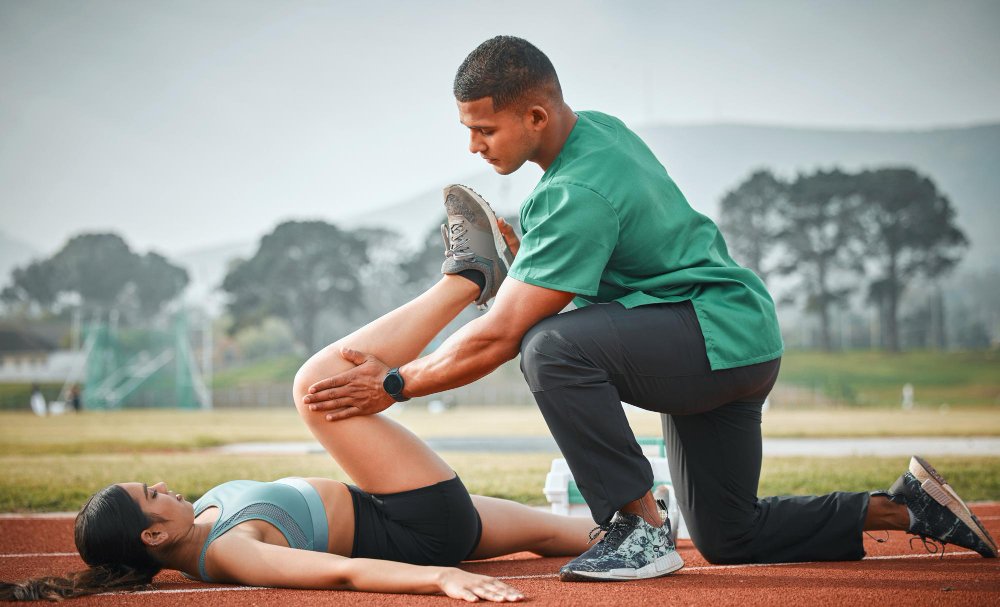
Physiotherapy for athletes is a special type of care that focuses on sports injuries and performance. It uses exercises, stretches, and hands-on treatments to help your body heal and work better. For example, a physiotherapist may teach you how to move safely or help you recover after an injury. This care is not just for injuries. It also helps you prevent problems before they start.
Common Sports Injuries in Athletes
Many athletes face injuries during training or games. However, knowing the most common ones can help you stay alert. Some frequent sports injuries include:Sprains (stretched or torn ligaments)Strains (pulled muscles or tendons)Knee injuries (like ACL tears)Shin splints (pain in the lower leg)Shoulder injuries (such as rotator cuff tears)Tennis elbow (pain on the outside of the elbow)Stress fractures (small cracks in bones)
Because these injuries are common, it is important to know how to prevent and treat them.
How Physiotherapy Enhances Athletic Performance
Physiotherapy does more than treat injuries. It also helps athletes perform better. For instance, a physiotherapist can spot weak areas in your body and help you strengthen them. This means you can move faster, jump higher, and play longer. In addition, physio can improve your balance and flexibility. As a result, you may notice fewer aches and pains during training. Many athletes use physiotherapy to reach their goals and stay ahead of the competition.
Physiotherapy Techniques for Injury Prevention
There are many ways physiotherapists help prevent injuries. Some common techniques include:Personalized exercise programsStretching routines for flexibilityStrength training for weak musclesBalance and coordination drillsManual therapy (hands-on treatments)Education on safe movement and posture
Moreover, a physiotherapist may use taping or braces to support your joints. These methods lower your risk of getting hurt during sports.
Tips for Choosing the Right Physiotherapist
Finding the right physiotherapist is key for athletes. Here are some tips to help you choose:Look for a physiotherapist with sports experienceCheck their qualifications and certificationsAsk about their treatment methodsRead reviews from other athletesVisit a local clinic for a consultation
Additionally, local physiotherapists understand the needs of athletes in your area. They can offer advice based on your sport and training level.
Lifestyle and Training Guidance for Athletes
Besides physiotherapy, your daily habits matter. For example, eating healthy foods and staying hydrated help your body recover. Also, getting enough sleep is important for muscle repair. Try to warm up before every workout and cool down after. These steps can lower your risk of injury. If you are unsure, a physiotherapist can guide you on safe training routines and healthy habits.
Prevention Strategies for Common Sports Injuries
Preventing injuries is easier than treating them. Here are some simple strategies:Always warm up before playingUse the right gear for your sportFollow proper techniques and formListen to your body and rest when neededInclude strength and flexibility exercises in your routineVisit a physiotherapist for regular check-ups
Because prevention is key, these habits can help you stay active and injury-free.
Conclusion
In summary, physiotherapy plays a vital role in helping athletes improve performance, prevent injuries, and recover effectively. At Rohinis Physiotherapy, we provide personalised care and rehabilitation programs to help you train better, recover faster, and stay active with confidence. Consult our expert physiotherapists for guidance tailored to your sports goals and injury prevention needs.