Introduction
Vertigo rehabilitation uses physiotherapy to help people with balance and dizziness problems. Many people feel unsteady or dizzy at times. However, for some, these feelings can be frequent and troubling. Vertigo rehabilitation focuses on improving balance and reducing dizziness. Physiotherapy for vertigo includes special exercises and techniques. These help your body adjust and regain stability. In fact, balance exercises for dizziness and rehabilitation for balance disorders can make daily life easier. If you often feel dizzy, learning about these treatments can help you feel more confident and safe.
What is Vertigo?
Vertigo is a feeling that you or your surroundings are spinning or moving. It is not just a simple feeling of lightheadedness. Instead, it often feels like the room is turning, even when you are still. Many people with vertigo also feel off-balance. Some common symptoms include:Spinning or swaying sensationLoss of balanceNausea or vomitingHeadachesRinging in the earsDifficulty walking straight
Sometimes, these symptoms come and go. Other times, they last longer and affect daily life. For this reason, it is important to understand what causes vertigo and how to manage it.
Causes of Vertigo and Dizziness
There are several reasons why someone may feel dizzy or have vertigo. Often, the cause is related to the inner ear, which helps control balance. Some common causes include:Benign paroxysmal positional vertigo (BPPV)Inner ear infectionsMeniere’s diseaseHead injuriesSide effects from certain medicinesProblems with blood flow to the brain
Additionally, stress and anxiety can sometimes make dizziness worse. If you notice frequent dizziness, it is wise to talk to a healthcare provider. They can help find the cause and suggest the right treatment.
How Physiotherapy Helps with Vertigo
Physiotherapy for vertigo is a safe and proven way to improve balance. It uses special exercises to help your brain and body adjust. As a result, you may feel less dizzy and more steady. Physiotherapists are trained to find the right exercises for your needs. They teach you how to move safely and regain confidence. According to the World Health Organization, early rehabilitation can speed up recovery and reduce falls. In many cases, people notice improvement after just a few sessions.
Common Physiotherapy Techniques for Balance & Dizziness
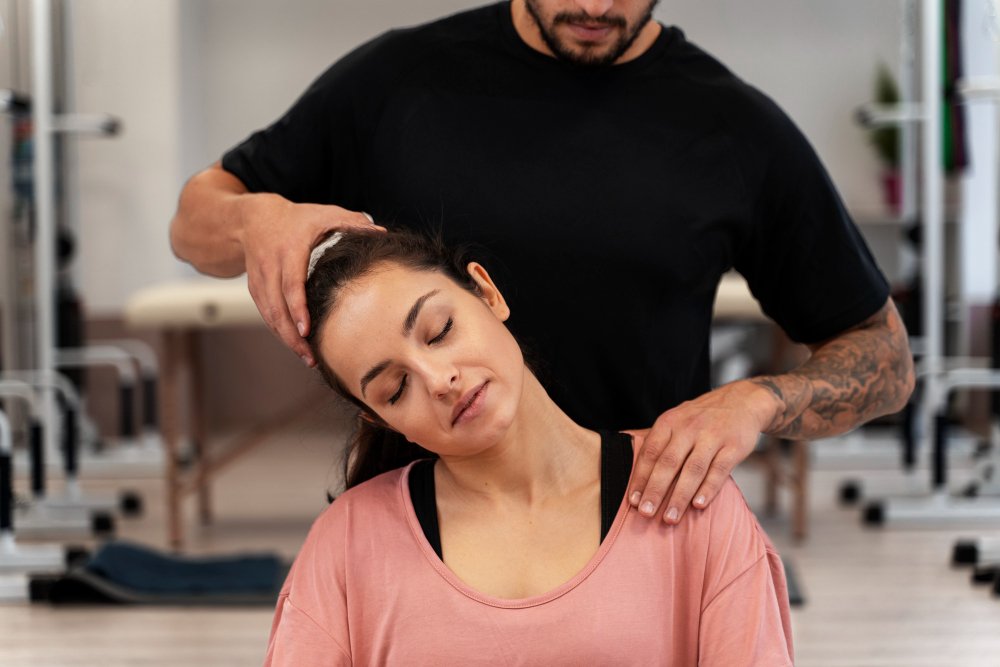
There are several physiotherapy techniques that help with vertigo and dizziness. Each person’s plan may be different, but common methods include:Canalith repositioning maneuvers: These gentle head movements treat BPPV by moving loose crystals in the inner ear.Balance training: Simple standing and walking exercises help improve stability.Gaze stabilization: Eye exercises help you focus and reduce dizziness when moving your head.Habituation exercises: Repeated movements help your body get used to positions that trigger dizziness.
For example, your physiotherapist may ask you to turn your head slowly or stand on one foot. Over time, these exercises can make a big difference.
At-Home Exercises and Lifestyle Tips
Along with clinic visits, you can do some exercises at home to help with vertigo. Always check with your physiotherapist before starting new exercises. Here are a few simple tips and exercises:Practice standing on one leg for a few seconds, holding onto a chair if needed.Try slow head turns while sitting or standing.Walk in a straight line, placing one foot in front of the other.Keep your home well-lit and free of tripping hazards.Get up slowly from bed or a chair to avoid sudden dizziness.Stay hydrated and eat regular meals.
Moreover, regular exercise and a healthy lifestyle can support your recovery. If you need help, physiotherapy clinics near you can offer guidance and support.
Prevention and When to Seek Help
While not all causes of vertigo can be prevented, some steps can lower your risk. For instance, protect your head from injury and manage long-term health conditions. If you feel dizzy often, avoid driving or climbing until you feel better. You should seek medical help if:Dizziness lasts for several hours or daysYou have trouble walking or speakingYou faint or lose consciousnessYou notice hearing loss or severe headaches
Early treatment can prevent falls and other problems. Therefore, do not wait if your symptoms are severe or sudden.
Conclusion
Vertigo rehabilitation and physiotherapy for balance and dizziness can help you feel steady and safe. With the right exercises and support, many people see real improvement. If you or someone you know struggles with dizziness, do not ignore it. Consult at Rohinis Physiotherapy for personalized vertigo rehabilitation and balance improvement.